By Jim Phelps
September 14, 2026
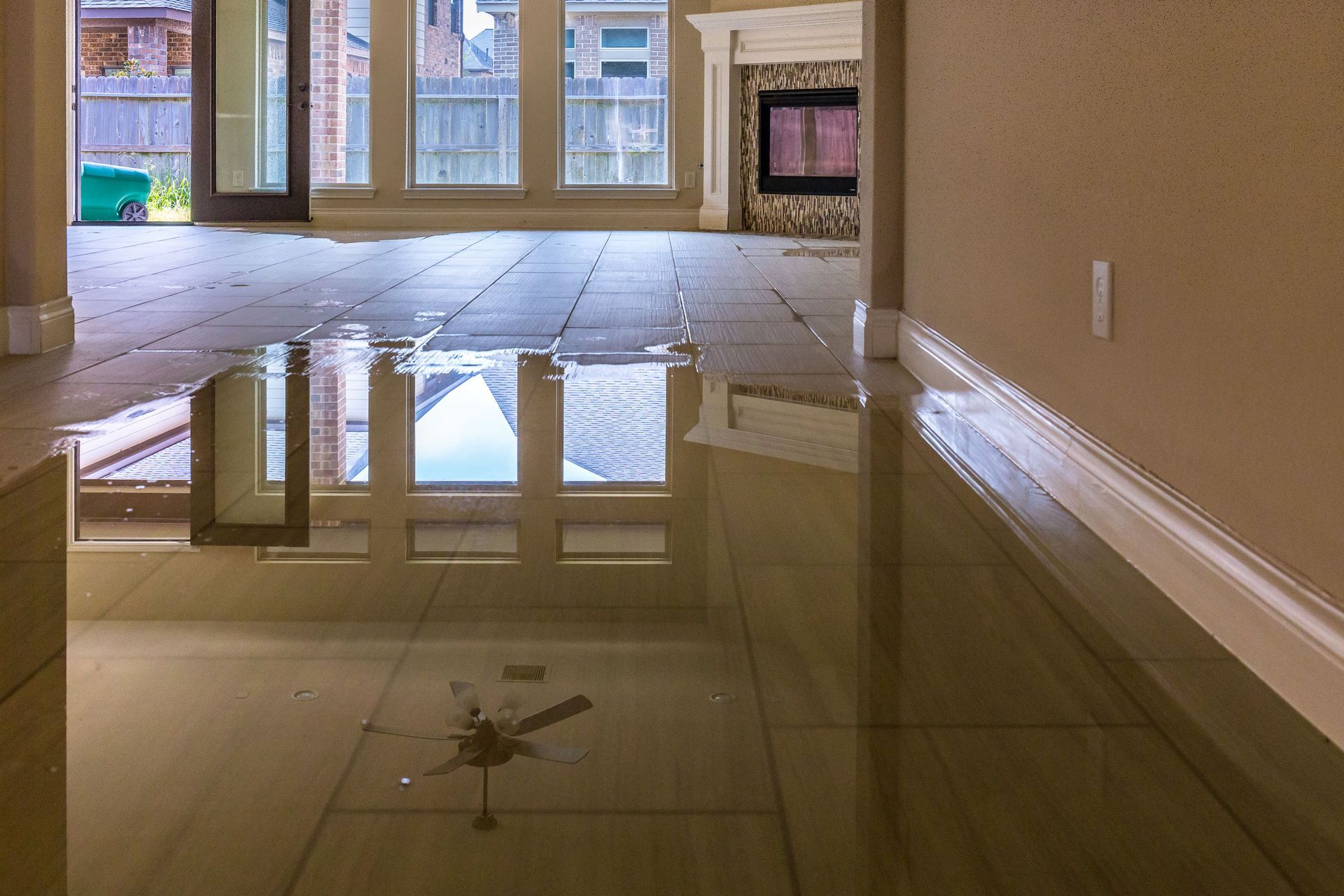
Water damage can happen suddenly because of a storm, plumbing failure, appliance leak, or other unexpected problem. Even a small amount of water can affect flooring, walls, insulation, and other parts of a home. When moisture remains in hidden areas, it may create additional concerns long after the visible water has been removed. Homeowners often focus on cleaning up the immediate mess, but proper restoration requires attention to the condition of the entire affected area. Professional assistance can help identify moisture that is difficult to see and determine what steps are needed to restore the property. Acting promptly may also reduce the extent of damage and help prevent additional repair costs. According to Consumer Affairs, 32% of U.S. homeowners reported that their home had been affected by a weather event during the previous five years. This highlights why homeowners should understand how to respond when water damage affects their property.
Identifying Hidden Moisture
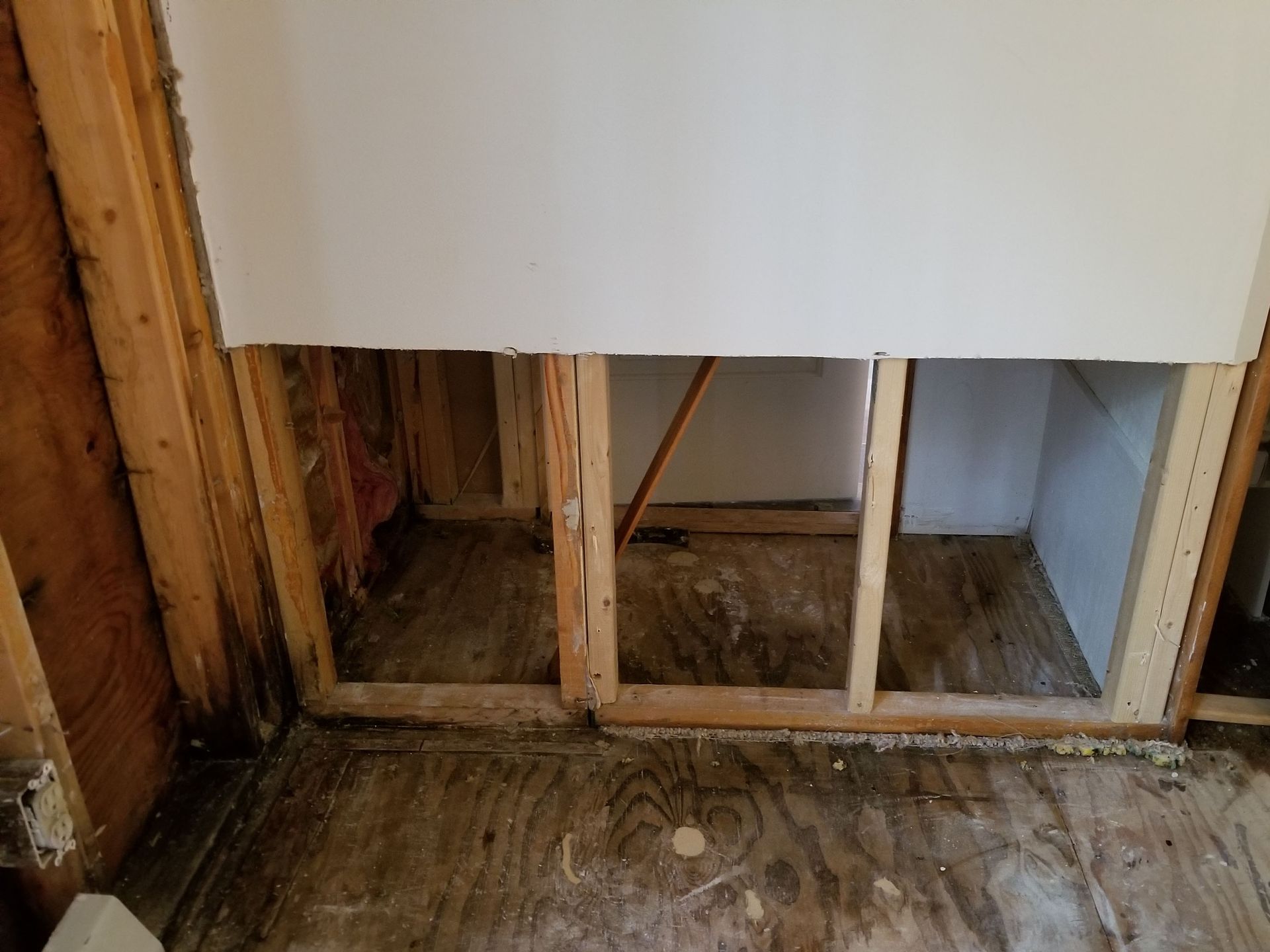
Water can travel beneath flooring, behind walls, and into other concealed areas of a home. Visible puddles may disappear while moisture remains trapped inside building materials. This hidden water can affect drywall, insulation, wood, and other components over time. Homeowners may not notice the full extent of the problem during an initial cleanup. Professional technicians use appropriate inspection methods to locate moisture in areas that are difficult to access. Water remediation services can help determine which materials have been affected and what treatment is needed. Identifying hidden moisture early can reduce the chance of additional deterioration. A thorough inspection provides a clearer understanding of the damage and helps guide the restoration process.
Preventing Mold Growth
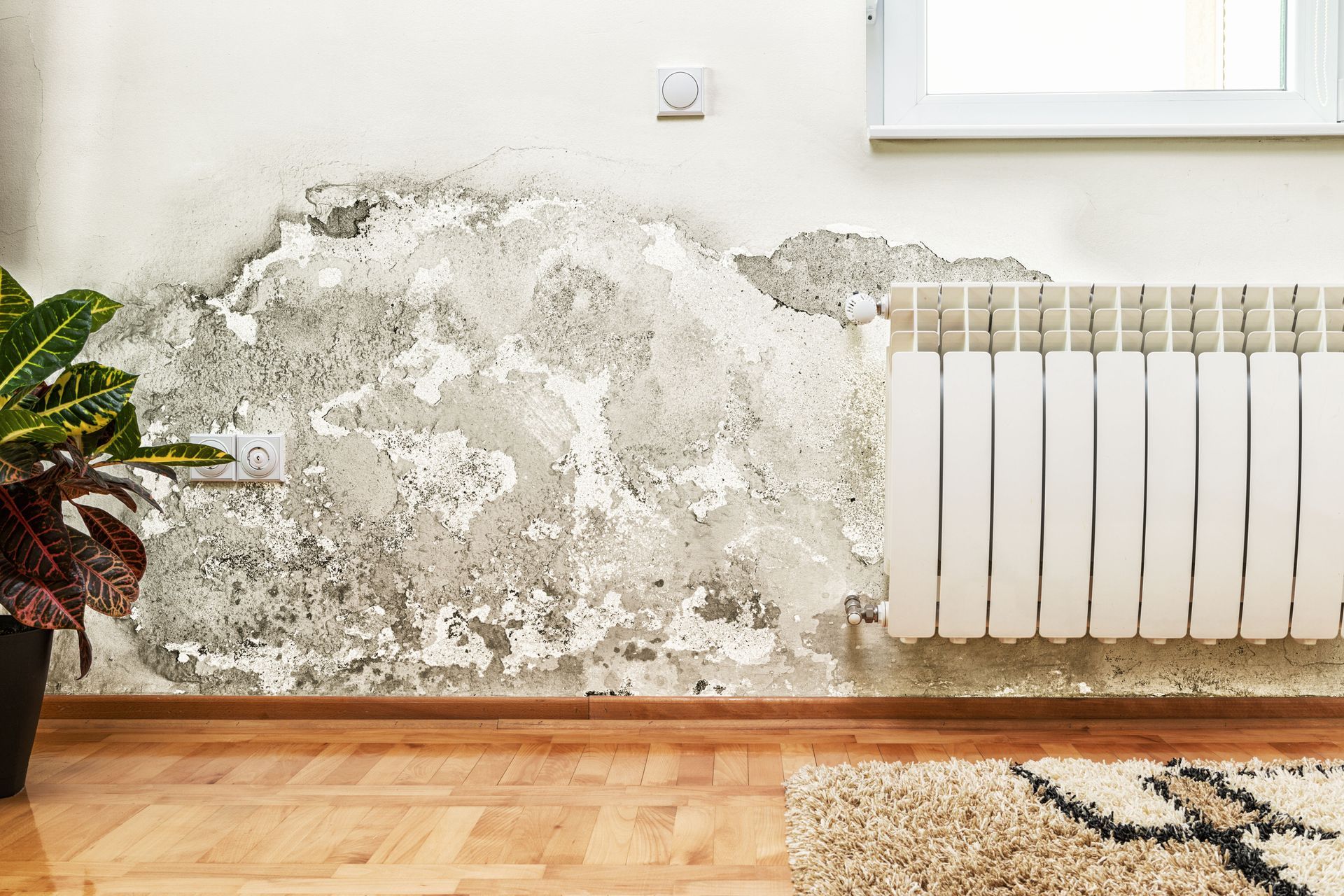
Excess moisture can create conditions that support mold growth in areas that remain damp. Mold may develop on building materials, furnishings, and other surfaces when moisture is not addressed properly. It can also produce odors and create additional concerns for homeowners. Removing visible water alone does not guarantee that all affected areas have dried sufficiently. Professional technicians can evaluate moisture levels and identify locations that need additional drying. Water remediation services can help address the conditions that allow mold to develop by removing moisture and treating affected materials appropriately. Prompt attention may reduce the likelihood of mold becoming a larger restoration concern. Homeowners should also address the source of the water so that additional moisture does not continue entering the property.
Protecting Structural Materials
Water can weaken or damage materials that support the structure of a home. Wood framing, subflooring, drywall, and other components may absorb moisture when exposed to leaks or flooding. Prolonged exposure can contribute to swelling, deterioration, and other forms of damage. Some materials may require repair or replacement if they cannot be restored to a suitable condition. Professional technicians inspect affected areas to determine whether water has reached structural components. Water remediation services can help identify damage that may not be obvious during a surface-level cleanup. Addressing moisture early can reduce the time that materials remain exposed to water. This can support a more effective restoration process and help homeowners protect the condition of their property.
Improving Drying Efficiency
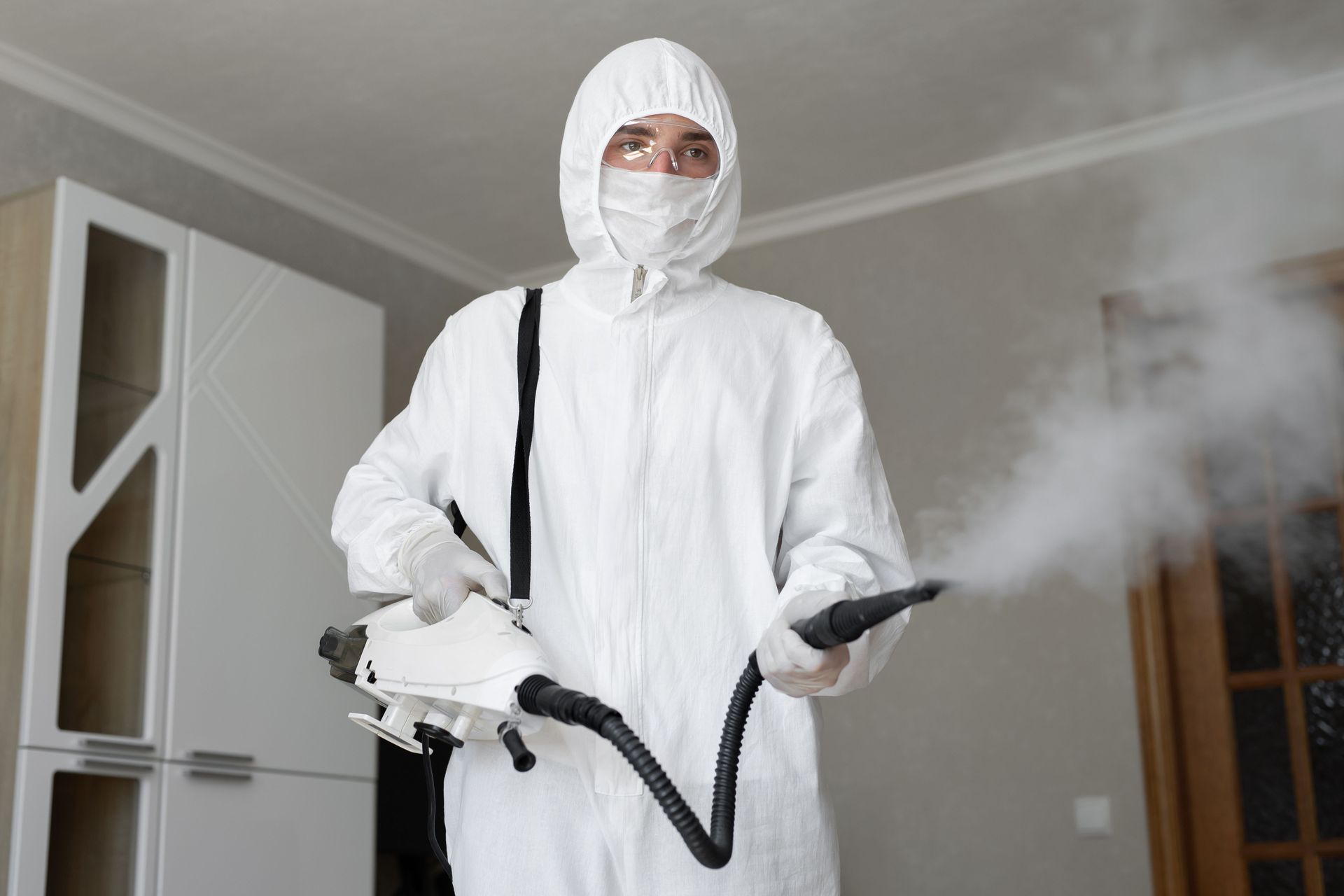
Drying a water-damaged home requires more than opening windows or placing a household fan near a wet surface. Moisture can remain inside materials even when the room appears dry. Professional restoration teams use equipment designed to help remove moisture from affected areas. Air movement, dehumidification, and targeted drying methods may be used depending on the type and extent of the damage. Technicians monitor moisture levels to determine whether materials have dried adequately. Water remediation services can help coordinate these methods so that drying is completed thoroughly. Efficient drying can reduce the time that moisture remains in the home. It also helps create better conditions for repairs and the restoration of affected rooms.
Reducing Damage to Belongings
Water damage can affect furniture, clothing, flooring, electronics, and other household belongings. Some items may be salvageable if they are addressed promptly and handled appropriately. Other materials may absorb water quickly or become difficult to restore after prolonged exposure. Professional technicians can help assess affected belongings and determine which items may require cleaning, drying, or replacement. Water remediation services can support the recovery process by helping organize the treatment of damaged contents. Separating wet items from unaffected belongings may also help prevent additional damage. Homeowners should avoid assuming that every item must be discarded immediately after a water event. A careful assessment can help identify opportunities to preserve valuable or useful possessions.
Addressing Contaminated Water
Not all water damage involves clean water from a supply line or appliance. Flooding and sewage backups may introduce contaminants that create additional safety concerns. Contaminated water can affect surfaces, furnishings, and building materials throughout the affected area. Cleanup methods must account for the source of the water and the potential hazards it contains. Professional technicians can evaluate the situation and determine what protective measures and treatment methods are appropriate. Water remediation services can help manage contaminated areas while reducing the risk of spreading affected materials into other parts of the home. Homeowners should avoid direct contact with potentially contaminated water and seek professional assistance when necessary. Proper handling can help support a safer cleanup and restoration process.
Preventing Additional Property Damage
Water that remains inside a home can continue affecting materials after the original leak or flood has stopped. Moisture may spread through flooring, walls, and other connected areas. This can increase the amount of damage and make repairs more complicated. Prompt professional attention can help identify areas that need immediate drying or removal of damaged materials. Water remediation services can help homeowners address the source of the moisture and reduce the risk of continued damage. Technicians may also identify conditions that contributed to the water event, such as damaged plumbing or drainage issues. Resolving those problems can help prevent additional water from entering the property. Taking action early may help limit the overall scope of restoration work.
Supporting a Complete Restoration
Restoring a water-damaged home involves more than removing water from the affected rooms. The process may include drying, cleaning, repairing, and replacing materials that cannot be salvaged. Professional technicians can help homeowners understand which steps are necessary based on the condition of the property. They may also coordinate with other contractors when structural repairs or specialized work is required. Water remediation services can provide support during the initial restoration stage and help prepare the home for further repairs. A complete restoration should address both visible damage and moisture that may remain in concealed areas. Homeowners should also consider whether additional maintenance is needed to reduce the risk of future water problems. Careful restoration can help return the property to a more comfortable and functional condition.
Protecting Your Home After Water Damage
Water damage can create concerns that extend beyond the visible areas of a home. Hidden moisture, mold growth, damaged materials, and contaminated water may all require attention during the restoration process. Professional assistance can help identify these problems and determine appropriate methods for addressing them. Prompt action may also reduce the risk of additional deterioration and help protect belongings. Homeowners should focus on stopping the source of the water and seeking qualified help when the damage exceeds a simple cleanup. Water remediation services can support the drying and restoration process while helping homeowners understand the condition of their property. Regular maintenance and attention to leaks can also help reduce the chance of future water-related problems. A thorough response can make the restoration process more manageable and help preserve the home.
For professional water damage cleanup and restoration assistance, contact Phelps Cleaning Services to discuss your situation and learn how the team can help restore your property after an unexpected water event.