Water damage is one of the most disruptive problems a home or commercial property can face. What begins as a small leak, spill, or unnoticed moisture intrusion can quickly evolve into a widespread issue affecting structural materials, flooring, walls, and personal belongings. Because water travels easily through porous materials and hidden spaces, the effects often expand far beyond the original source before the problem is even noticed. When moisture remains untreated, it seeps into building materials, weakens structural components, and creates an environment where mold and bacteria can thrive. Prompt response and professional water damage remediation are essential to limiting the impact and restoring affected spaces.
Understanding How Water Moves Through Building Materials
Water rarely stays confined to one place. Once it enters a structure, it begins moving through materials and surfaces in multiple directions. Gravity, absorption, and pressure differences all influence how quickly moisture spreads through a building.
Many common construction materials are porous, meaning they absorb and retain moisture easily. Drywall, wood framing, insulation, and carpeting can act like sponges, drawing water inward and allowing it to travel deeper into walls and floors. Once saturation begins, moisture can migrate to surrounding areas, even if those areas appear dry on the surface.
Moisture can also move through tiny cracks and seams in flooring, tile grout, and wall joints. Because these pathways are often hidden, water damage can expand behind surfaces long before visible signs appear.
When this happens, the problem may go unnoticed until structural materials begin to swell, stain, or weaken. At that point, professional water damage remediation becomes necessary to address both the visible damage and the moisture trapped beneath surfaces.
Recognizing How Moisture Spreads Behind Walls and Floors
One of the most challenging aspects of water damage is how easily moisture hides within a building’s structure. While a puddle or damp carpet is easy to spot, water that seeps into subfloors, wall cavities, and insulation may remain hidden for long periods.
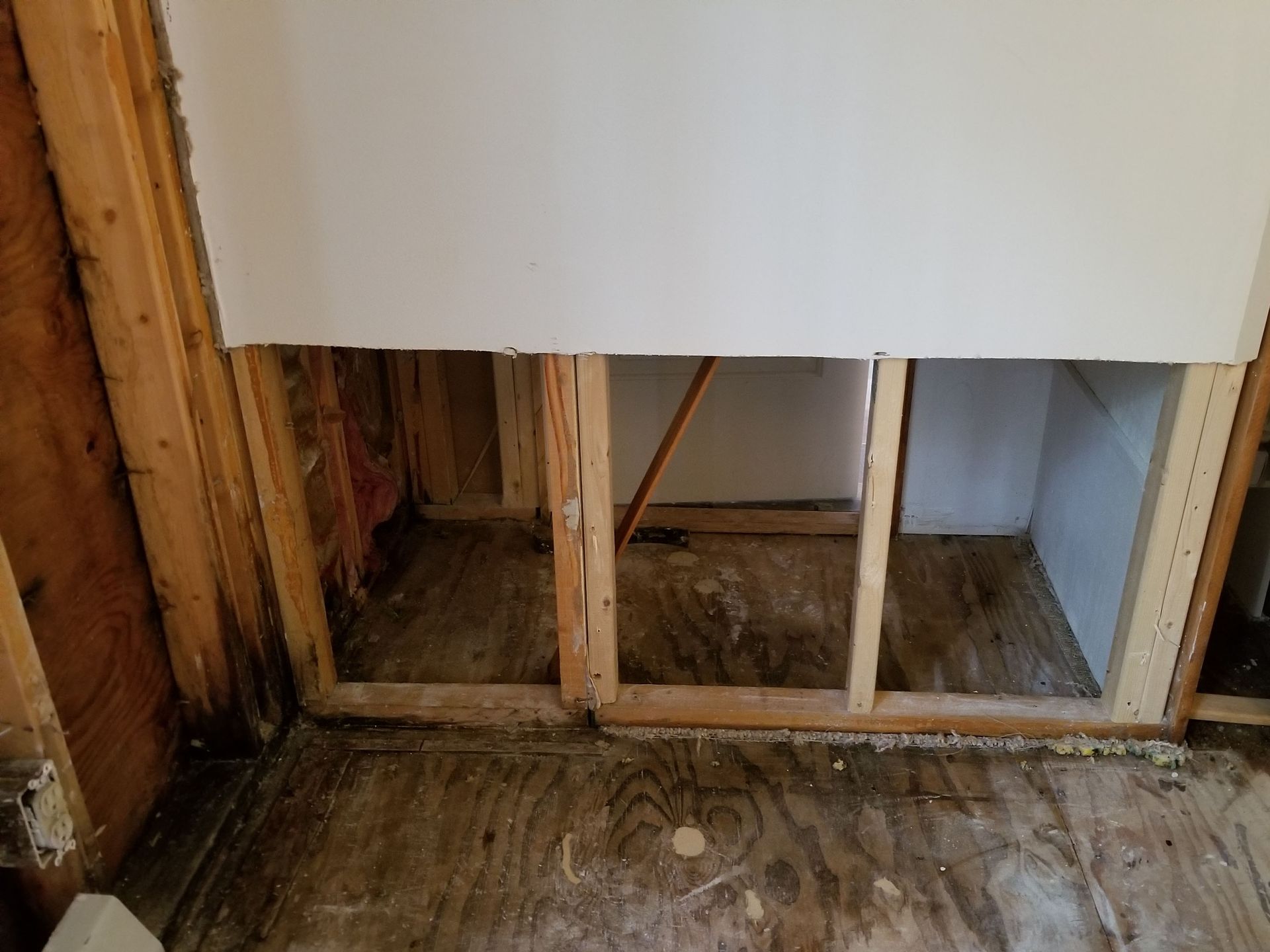
Behind drywall, moisture can travel along framing materials and insulation, spreading horizontally and vertically. Water can also follow electrical wiring, plumbing lines, and other structural pathways that allow it to reach new areas.
Flooring materials create another route for moisture migration. Hardwood floors can absorb water and swell, causing boards to warp and separate. Beneath the surface, subfloor materials may remain wet even after the visible surface appears dry.
Ceilings and upper levels of buildings present additional risks. Water from roof leaks or plumbing failures often flows downward, affecting multiple floors before the problem is discovered.
Because hidden moisture can continue spreading long after the initial incident, thorough inspection and professional water damage remediation are critical to ensuring that all affected areas are properly dried and restored.
Identifying Conditions That Accelerate Water Damage
Not all water damage spreads at the same pace. Several environmental and structural factors influence how quickly moisture travels through a building.
Humidity plays a major role in how moisture behaves indoors. When indoor humidity levels are high, materials absorb moisture more easily and take longer to dry. This allows water damage to expand and persist over time.
Air circulation also affects the rate of spread. Poor ventilation prevents moisture from evaporating, which means damp materials remain wet longer. In enclosed spaces like basements, crawl spaces, and wall cavities, this lack of airflow can significantly worsen water damage.
The type of water source also matters. Clean water from a broken pipe behaves differently than water from storm flooding or sewer backups. Contaminated water often carries debris, bacteria, and organic materials that accelerate deterioration and create additional health concerns.
Another factor that contributes to ongoing damage is undetected leaks. According to This Old House, hidden leaks can cause an average household to lose nearly 10,000 gallons of water a year. When these leaks remain unnoticed, moisture can continuously spread through walls, floors, and structural components. In these situations, prompt water damage remediation helps locate the source of the leak, remove moisture from affected materials, and prevent further deterioration.
Observing How Structural Materials Respond to Water
When water enters a building, the response of each material determines how quickly the damage progresses. Some materials absorb moisture rapidly, while others resist water but trap it underneath surfaces.
Wood is particularly vulnerable to water exposure. As moisture penetrates wood fibers, the material expands and loses strength. Over time, this can cause warping, cracking, and structural weakening.
Drywall and insulation also absorb water quickly. Once saturated, drywall becomes soft and may crumble or detach from framing. Insulation loses its effectiveness when wet and can hold moisture against surrounding materials.
Floor coverings such as carpeting and padding can retain large amounts of water. Even after the surface appears dry, moisture trapped beneath the carpet may remain for extended periods.
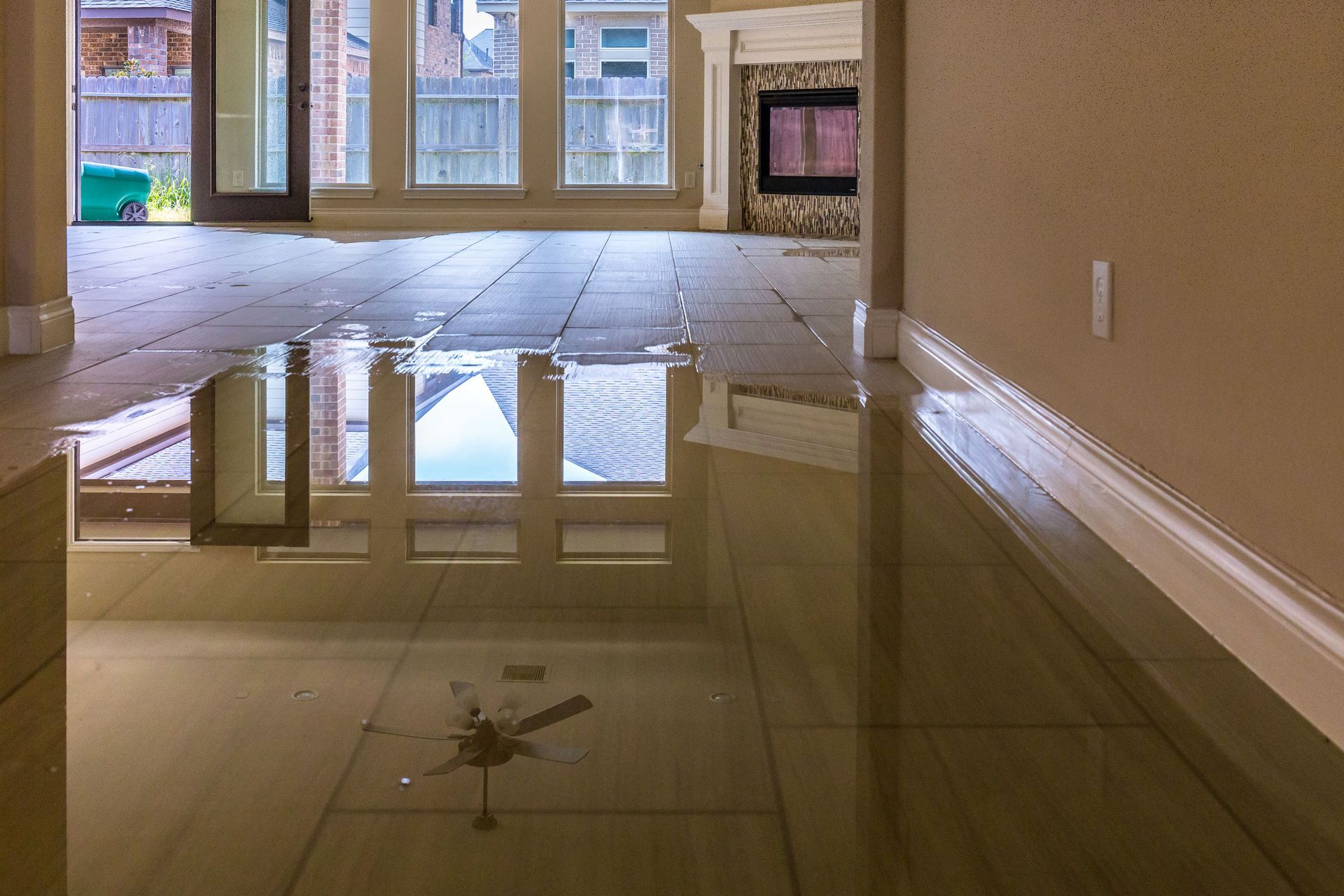
Tile and laminate flooring often resist water on the surface, but moisture can seep through seams and edges. When this happens, the subfloor beneath may experience prolonged exposure.
Because these materials respond differently to water, professional water damage remediation is essential for identifying which components can be salvaged and which must be replaced to maintain structural integrity.
Preventing Secondary Problems Caused by Water Damage
The spread of water damage rarely stops with visible stains or damp materials. Secondary issues can develop quickly when moisture remains inside walls, floors, and ceilings.
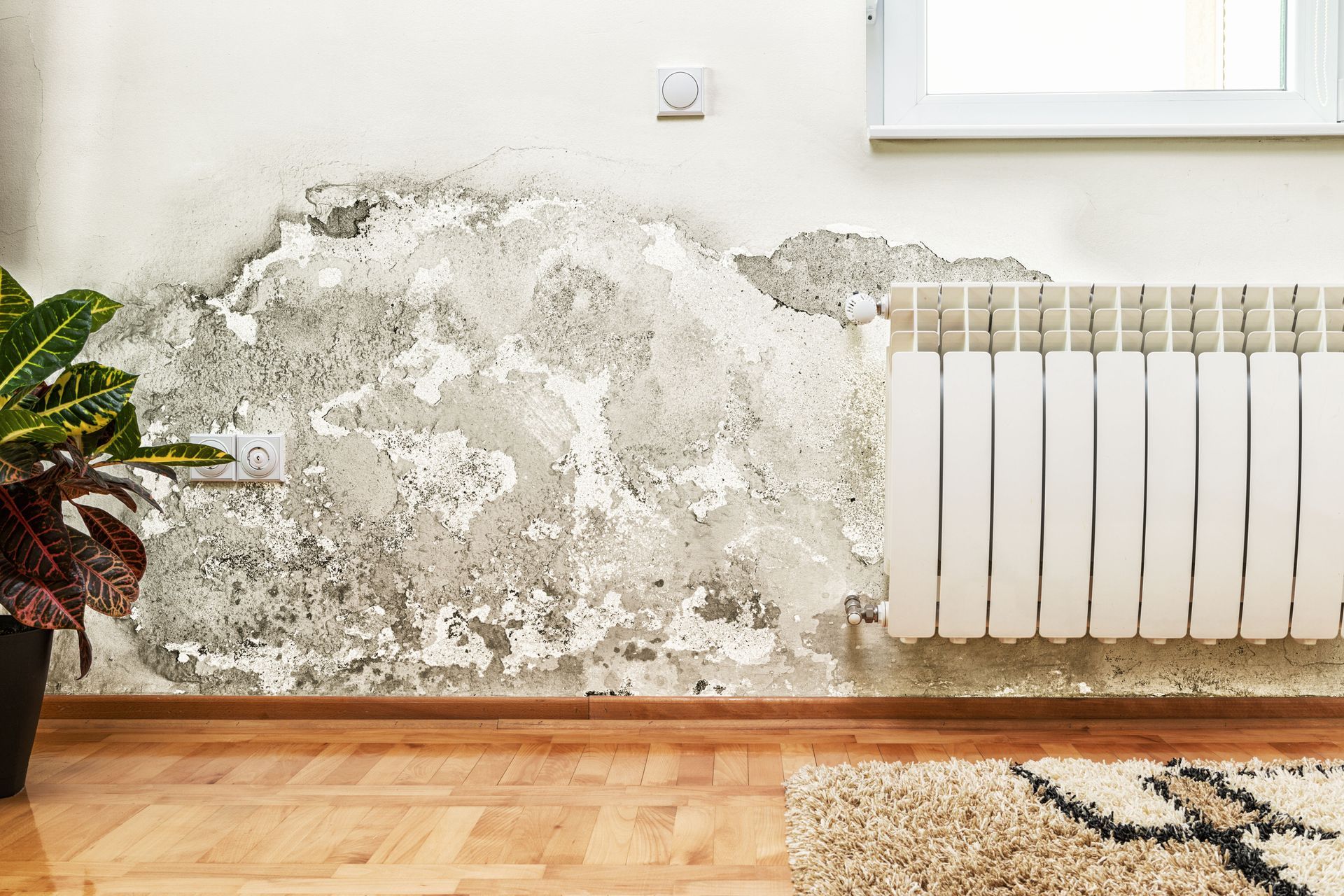
One of the most common consequences is mold growth. Mold spores exist naturally in indoor environments, but they multiply rapidly when moisture is present. Once mold begins developing in damp materials, it can spread through the air and affect additional areas of the property.
Moisture can also damage electrical systems and appliances. Water intrusion near wiring, outlets, or electrical panels increases the risk of short circuits and other hazards.
Structural deterioration is another potential outcome. Prolonged moisture exposure weakens wooden framing, corroded metal fasteners, and other load-bearing components that support the building.
Furniture, personal belongings, and stored items are also vulnerable. Upholstery, paper products, and fabrics absorb moisture quickly and may become permanently damaged if not addressed promptly.
Early detection combined with effective water damage remediation helps reduce these risks and restores affected spaces before additional problems develop.
Responding Quickly to Limit the Spread of Damage
When water damage occurs, the speed of the response plays a major role in limiting how far the problem spreads. Immediate action helps reduce moisture penetration and prevents long-term structural issues.
The first step is identifying and stopping the source of water whenever possible. This may involve shutting off a water supply, repairing plumbing components, or addressing roof or drainage issues.
Next, removing standing water and drying affected areas helps prevent moisture from spreading deeper into building materials. Opening windows, improving airflow, and using drying equipment can accelerate evaporation.
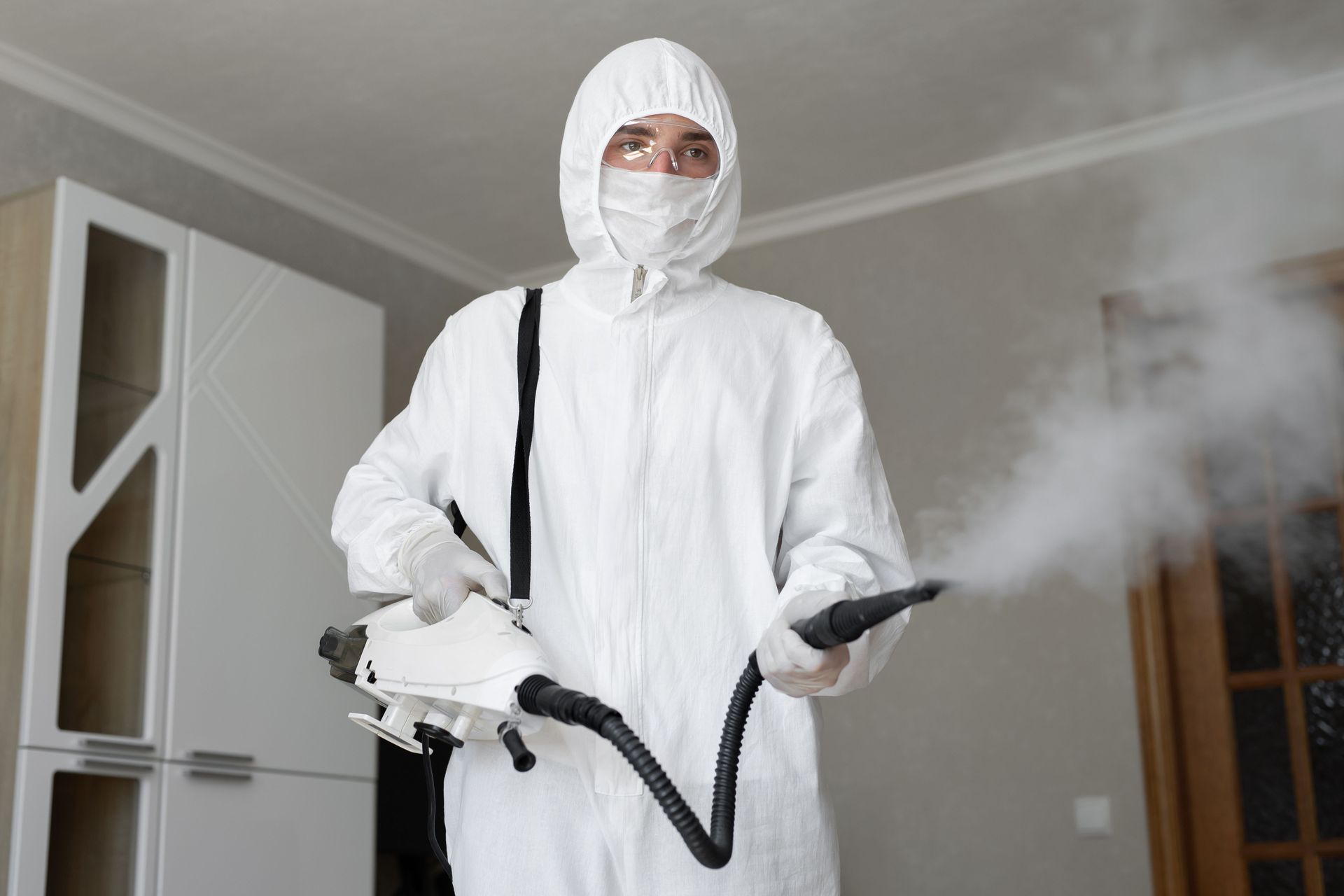
Professional water damage remediation services use specialized equipment and moisture detection tools to identify hidden water and ensure complete drying. This process helps restore the property while preventing future complications.
Water damage can spread far more quickly than many property owners realize. Because water travels through porous materials and hidden structural spaces, even a small leak can gradually affect large portions of a building.
As moisture moves through walls, floors, and ceilings, it weakens structural components and creates conditions where mold and other problems can develop. Environmental factors such as humidity, poor ventilation, and undetected leaks can further accelerate the spread of damage.
If your home or business has experienced water intrusion, acting quickly can make a significant difference in limiting long-term damage. Professional inspection and restoration help identify hidden moisture and restore affected areas safely.
For reliable support when you need it most, contact Phelps Cleaning Services to learn more about expert solutions for water damage restoration and recovery.