By Jim Phelps
November 17, 2026
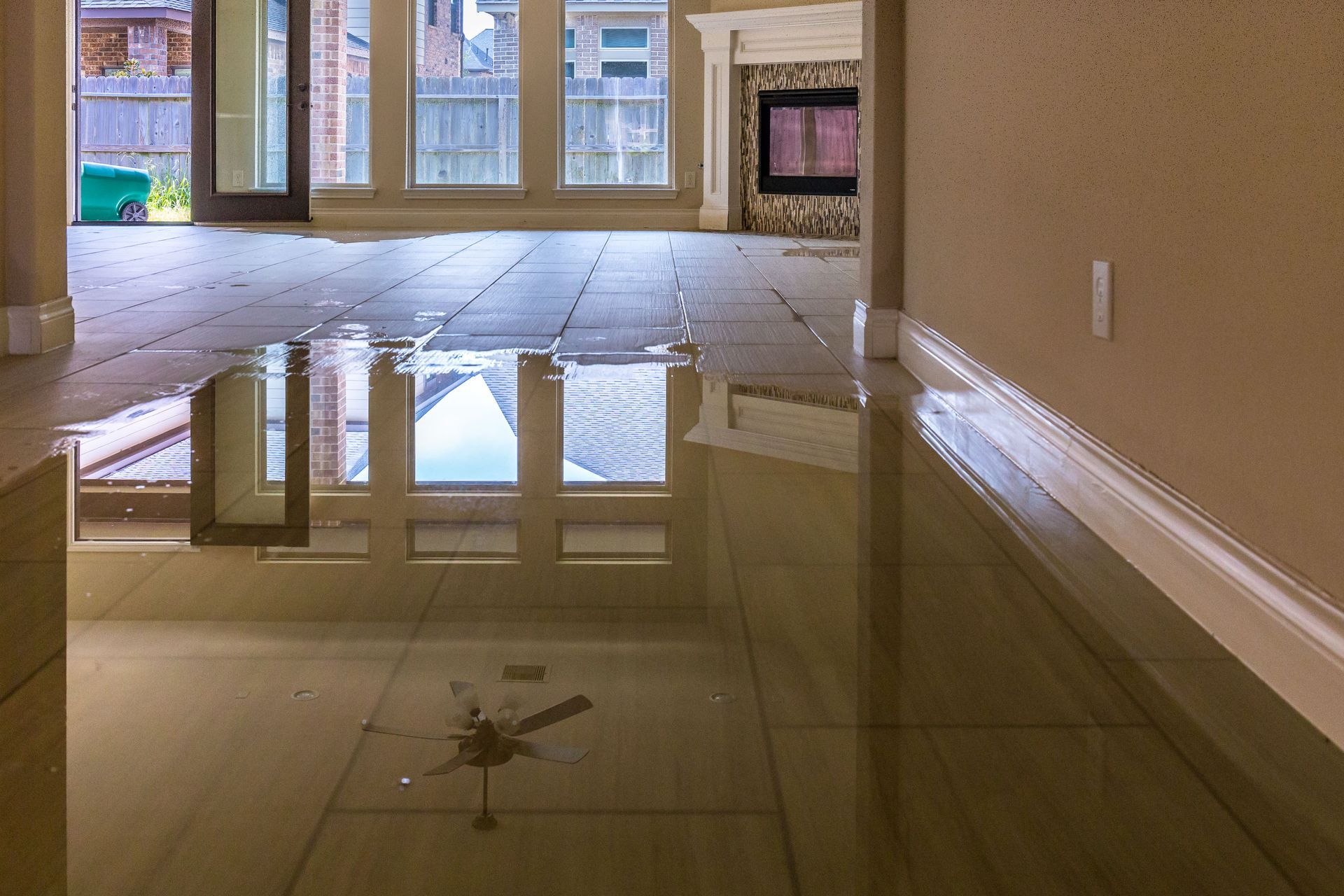
Water damage can happen unexpectedly, turning an otherwise comfortable home or functional business into a stressful environment. A burst pipe, leaking appliance, overflowing fixture, or severe storm can introduce moisture into floors, walls, ceilings, and other structural components. Although some damage may appear minor initially, water can spread beyond the visible affected area and create problems that become increasingly difficult to address.
Acting quickly after discovering unwanted moisture is essential for limiting property damage and protecting indoor conditions. Professional water damage restoration helps property owners address immediate concerns, remove excess moisture, and begin returning affected spaces to their previous condition. Understanding why a prompt response matters can help homeowners and business owners make informed decisions when an unexpected water emergency occurs.
Understanding How Quickly Water Damage Can Spread
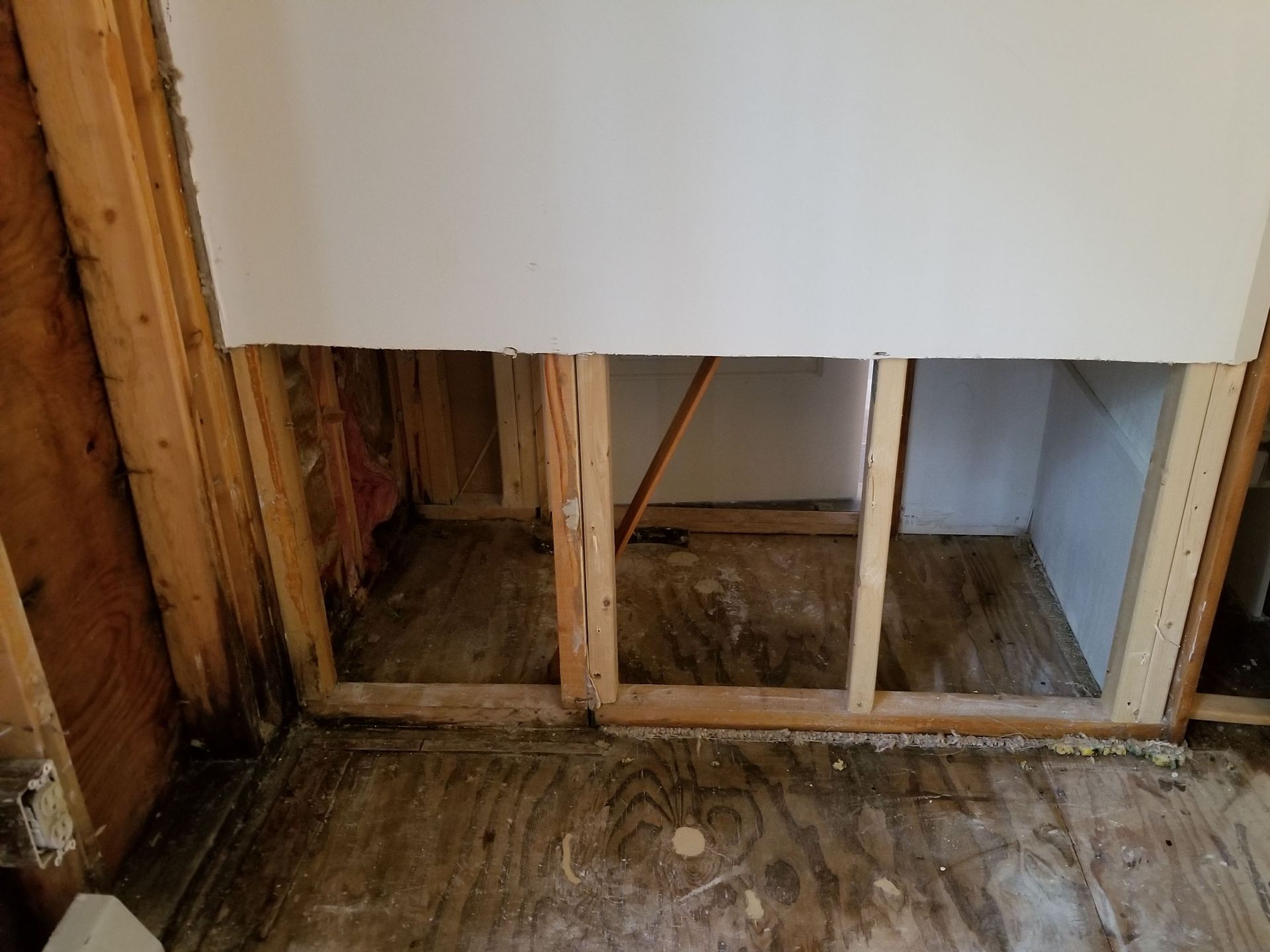
Water rarely stays confined to the area where it first enters a property. Once moisture reaches flooring, drywall, insulation, or other porous materials, it can gradually spread into surrounding surfaces. Water may also travel beneath flooring, behind walls, and into concealed spaces that are difficult to inspect without professional equipment. As a result, the visible damage may represent only a portion of the affected area.
Even a seemingly small leak can create complications when it continues unnoticed. Moisture trapped beneath cabinets, inside wall cavities, or underneath carpeting can gradually weaken materials and contribute to persistent dampness. When property owners delay addressing these conditions, repairs may become more extensive because additional building components have absorbed water.
The speed of the response can influence how much of the original structure remains salvageable. Prompt attention allows professionals to identify the source of the problem, assess the affected materials, and begin removing standing water. Addressing moisture early also helps prevent a manageable cleanup from developing into a more complicated restoration project.
Recognizing the Risks of Delayed Water Removal
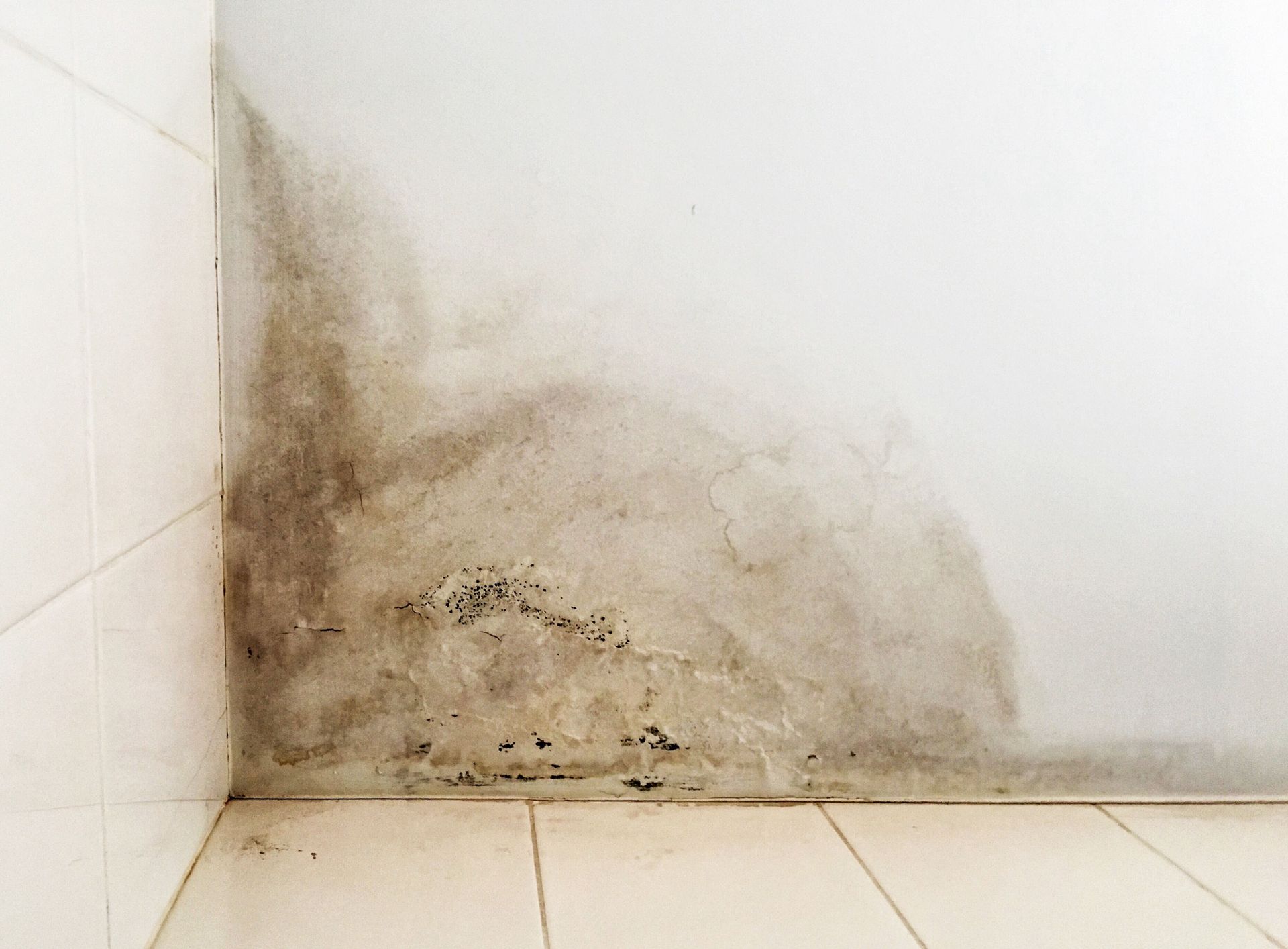
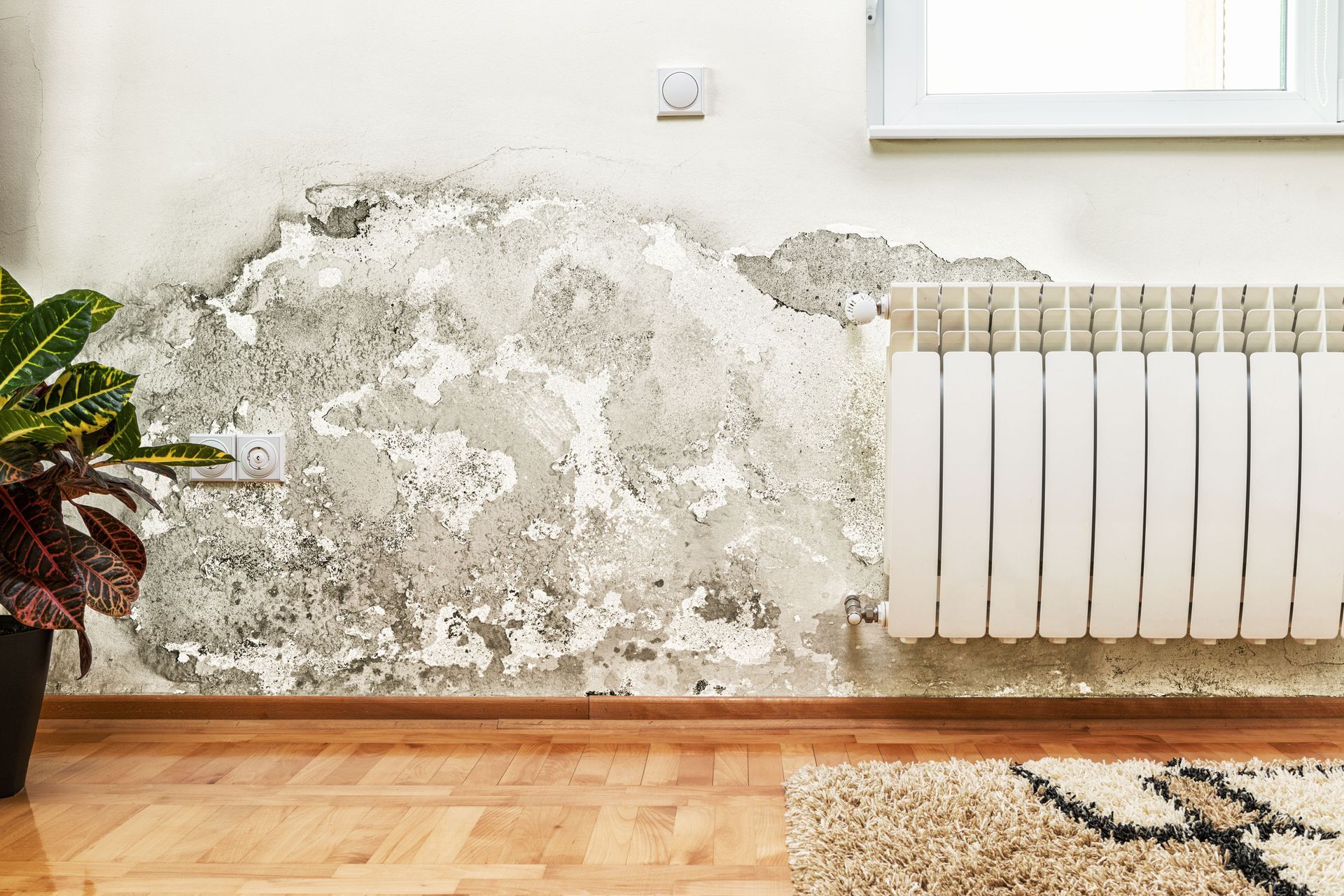
Leaving water inside a property creates conditions that can affect both building materials and indoor air quality. Damp environments can encourage microbial growth, particularly when moisture remains in hidden areas with limited airflow. These conditions may contribute to unpleasant odors and create concerns for people occupying the affected space.
According to RubyHome, 98% of basements in the U.S. are expected to encounter water damage at least once during their existence. This illustrates how common moisture-related property problems can be and why homeowners should take potential water intrusion seriously.
Structural materials can also deteriorate when exposed to prolonged moisture. Drywall may soften, wood components can swell, and flooring adhesives may lose their effectiveness.
Delays can also make it harder to identify the original source of moisture. A leak that continues behind a wall or beneath a floor may cause additional damage even after the initial water has been removed. Identifying and correcting the underlying problem is therefore just as important as addressing the visible effects.
Protecting Building Materials and Interior Surfaces
Different materials respond to water exposure in different ways. Hardwood flooring may warp or buckle, carpeting can retain moisture, and drywall may lose its original strength. Insulation can also absorb water, making it difficult to dry without specialized attention. Understanding these differences helps restoration professionals determine which materials can be preserved and which may require replacement.
Professional water damage restoration involves evaluating the affected areas rather than focusing exclusively on removing visible standing water. Technicians inspect surfaces, identify moisture that may be concealed, and determine which drying methods are appropriate for the materials involved.
Furniture, personal belongings, and decorative finishes may also require attention following a leak or flood. Upholstered items can absorb substantial moisture, while wooden furniture may develop discoloration or structural changes. Prompt evaluation can help determine which belongings may be cleaned, dried, or otherwise preserved before deterioration progresses.
Taking action quickly can also reduce disruption to the property's normal use. When wet materials are addressed before additional damage develops, property owners may avoid some of the more extensive demolition and reconstruction that can accompany prolonged water exposure.
Improving Indoor Conditions After a Water Emergency
The effects of water intrusion are not limited to visible stains or damaged flooring. Moisture trapped inside building materials can affect the overall indoor environment, particularly when affected areas remain damp for extended periods. Persistent odors, uncomfortable humidity, and concerns about microbial growth can make living or working spaces less pleasant.
Removing excess water is an important part of improving these conditions. However, effective drying requires more than opening windows or placing household fans near wet surfaces. Moisture may remain inside porous materials even when the surrounding area feels dry.
Thorough drying is especially important in enclosed spaces, including basements, closets, crawl spaces, and areas behind built-in fixtures. These locations may have limited ventilation, allowing moisture to remain unnoticed. A professional inspection can help identify problem areas that might otherwise be overlooked during an ordinary cleanup.
Property owners should also pay attention to persistent musty smells, discoloration, and signs of recurring dampness after an incident. These indicators may suggest that moisture remains somewhere within the structure. Addressing those concerns promptly helps prevent unresolved water problems from continuing to affect the indoor environment.
Understanding the Professional Restoration Process
A successful restoration project begins with understanding the extent and source of the water damage. Professionals typically evaluate the affected areas, determine how moisture has traveled, and identify materials that need immediate attention.
The next priority is eliminating standing water and beginning the drying process. Depending on the severity of the incident, professionals may use extraction equipment, commercial air movers, and dehumidifiers.
Monitoring is another important part of the process. Drying cannot always be evaluated by looking at a surface or touching a material. Moisture detection equipment helps technicians check affected building components and determine whether additional drying is necessary. This ongoing evaluation helps reduce the likelihood of leaving hidden moisture behind.
Once the affected areas have been adequately addressed, additional cleaning and repair work may be necessary. Damaged materials can be evaluated for restoration or replacement, while affected surfaces may require appropriate cleaning.
Preparing for Future Leaks and Flooding
Although water emergencies cannot always be prevented, property owners can take practical steps to reduce the likelihood of extensive damage. Regularly inspecting plumbing connections, appliance hoses, water heaters, and visible pipes can help identify potential problems before they develop into significant leaks.
Maintaining gutters and downspouts can help direct rainwater away from the building. Property owners should also inspect the grading around their foundations to ensure that surface water does not consistently collect near the structure.
Knowing where the main water shutoff valve is located can also make a difference during a plumbing emergency. If a pipe bursts or a fixture begins leaking uncontrollably, shutting off the water supply can help limit additional intrusion while professional assistance is arranged.
Despite preventive efforts, flooding and plumbing failures can still occur. Having a response plan helps property owners recognize when professional assistance is necessary and avoid unnecessary delays.
Water damage can become significantly more complicated when moisture is allowed to remain inside a property. Acting promptly helps protect building materials, reduce the potential for additional problems, and make the restoration process more manageable. Do not let a leak or flood turn into an extensive property problem. Contact Phelps Cleaning Services to address water damage promptly and take the first step toward restoring your property.